
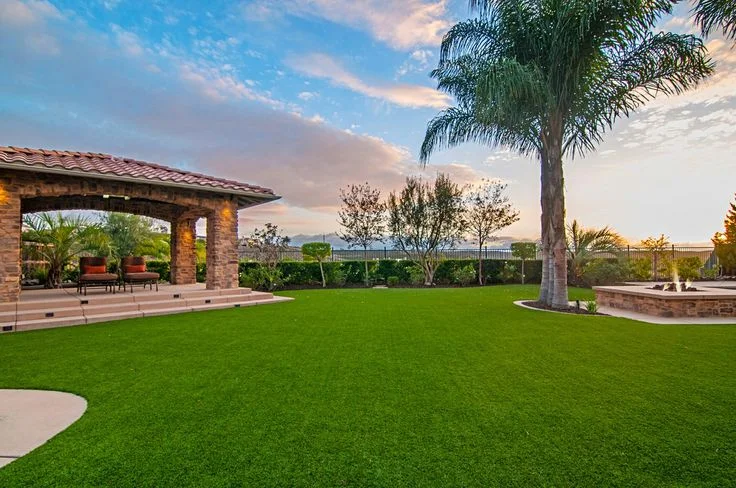

Before a single seed meets the soil, the groundwork determines everything that follows. The quality of grading performed by a professional landscape company directly shapes how well grass takes root, how water drains, and how long the new lawn remains healthy. Property owners who search for landscaping near me or sod installation near me often overlook this stage, yet it’s the defining step between an ordinary yard and a resilient landscape built to last.
Site Contouring That Ensures Consistent Water Flow and Soil Balance
A successful grading plan begins with precise contouring. A landscape company evaluates elevation changes across the property to establish a controlled slope that directs rainwater away from foundations, driveways, and walkways. Proper contouring prevents oversaturation in certain areas and dryness in others, allowing for even soil moisture once seeding begins.
Specialized equipment like laser levels and transit systems guide this process to millimeter accuracy. Landscaping companies near me typically adjust the grade to accommodate natural land formations, creating a balance between drainage efficiency and visual appeal. Once the contours are shaped, the surface can evenly support seed distribution and future turf density.
Subsurface Leveling Performed to Eliminate Low Spots and Pooling Areas
After contouring, subsurface leveling takes priority. This involves correcting hidden dips beneath the visible layer of soil that might later lead to puddles or weak growth spots. Skilled technicians from landscaping services near me dig several inches deep to loosen compacted areas and fill depressions with a blend of topsoil and sand for structural stability. These adjustments not only prevent standing water but also prepare the ground for uniform compaction. A landscape company that invests time in proper subsurface preparation ensures seeds germinate evenly across the yard. It’s a method that strengthens root systems from the beginning, leading to consistent grass coverage.
Removal of Surface Debris to Create a Clean, Compactable Foundation
Before seeding, surface debris must be cleared completely. Stones, old roots, and leftover construction materials interfere with the grading process. Professionals offering sod installation near me use rakes, loaders, and grading blades to remove every obstruction, leaving a fine, even base layer.
A clean surface allows equipment to compact the soil uniformly without bumps or resistance. This foundation supports even seed distribution and prevents pockets of air that can disrupt germination. Proper debris removal also protects lawn maintenance tools from damage once the grass matures.
Topsoil Redistribution Conducted for Even Nutrient Coverage Across the Grade
Topsoil redistribution gives each section of the yard equal access to nutrients. Experienced landscaping companies near me spread rich, screened soil evenly across the graded surface, blending it with the existing layer to create a balanced growing medium. This mix contains organic matter essential for new seedling development.
Uneven topsoil can lead to patchy growth and poor water absorption. By maintaining consistent depth and quality, a landscape company guarantees a smooth surface that encourages deep root expansion. This redistribution also improves aeration, ensuring that nutrients move freely through the soil profile.
Slope Calibration Applied to Guide Runoff and Prevent Erosion After Rainfall
Slope calibration fine-tunes the land’s angle to control how water moves across it. Using laser-guided systems, experts from lawn care companies near me measure incline percentages that balance natural drainage with soil retention. Slopes that are too steep lead to erosion, while those too flat cause water pooling.
A professional landscape company in this phase subtly adjusts the grade by compacting or loosening certain sections until runoff moves predictably toward drainage zones. This attention to hydrology safeguards new seeds and prevents erosion channels from forming after heavy rain.
Fine Grading Executed to Prepare a Uniform Seedbed for Germination
Fine grading is where precision meets aesthetics. After rough grading sets the framework, landscapers use fine tools to smooth out minor imperfections and refine the soil surface. This creates a uniform seedbed where every seed has contact with nutrient-rich soil, ensuring balanced growth across the entire lawn. Professionals offering landscaping services near me perform this step right before seeding or sod installation. The soil texture becomes crumbly yet firm, allowing air, moisture, and nutrients to reach the developing roots. Fine grading also prevents uneven mowing later, giving the finished landscape a professionally maintained appearance.
Compaction Control Maintained to Support Stable Soil Without Restricting Roots
Soil compaction must be managed with precision—too loose and the ground erodes, too tight and roots suffocate. Landscaping companies near me use roller equipment or plate compactors calibrated to achieve optimal firmness. This balance ensures stability while leaving enough space for root penetration and air exchange.
A well-compacted seedbed reduces future settling, preventing dips and uneven surfaces that ruin lawn symmetry. Skilled technicians routinely test soil density during grading, adjusting moisture levels and compression force to maintain ideal growing conditions. This meticulous approach contributes significantly to long-term lawn health.
Final Surface Inspection Carried out to Confirm Smoothness and Seeding Readiness
Before seeding begins, a final inspection validates that all grading objectives have been met. The surface is examined for irregularities, ensuring slope consistency, soil density, and smoothness align with the original plan. Any overlooked rough patches or uneven edges are corrected immediately.
This stage also includes moisture testing to confirm the soil holds enough water for seed adhesion without oversaturation. Landscaping near me professionals take pride in this final pass—it’s the last chance to perfect the foundation for seeding or sod installation. A properly inspected surface ensures that the upcoming planting phase delivers strong germination and long-term lawn durability